How to Read Onigiri Labels at a Japanese Convenience Store
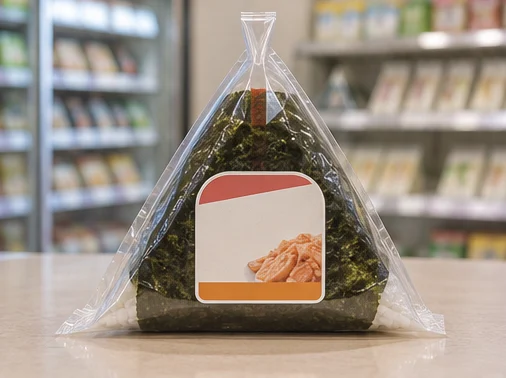
Pick the filling you want and open the wrapper without pulling your onigiri apart by using the label and numbered tabs.
Published
Start with the filling name on the wrapper. Onigiri are rice balls, and convenience stores carry different varieties by chain and location. Learn a few labels before you stand in front of the shelf. JNTO’s convenience-store guide
Match five labels to fillings
| Label | What it usually describes |
|---|---|
| 鮭 or しゃけ | Salmon |
| ツナマヨ | Tuna with mayonnaise |
| 梅 | Pickled plum |
| 昆布 | Kelp |
| 明太子 | Seasoned fish roe |
These are clues to the main filling. Check the product label for the complete ingredients if that affects your choice. Some rice balls contain seasonings or mixed fillings that the front name doesn’t spell out.
Open the wrapper in the order shown
If the wrapper has tabs numbered 1, 2, 3, follow them in sequence. On the common triangular wrapper, the first strip usually divides the plastic, and the side tabs slide away from the nori. Hold the rice ball lightly so it stays together. Other wrappers have different opening marks.
At the register
If you’re asked about a bag and don’t need one, say 袋は要りません (“I don’t need a bag”). If you want the cashier to help identify the filling before you pay, ask 中身は何ですか? (“What’s inside?”).
Related articles
Jiro-Style Ramen: What to Say When Asked “Do You Want Garlic?”
Know what the staff are asking and have a short Japanese answer ready before your ramen arrives.
Read article →Where to Buy Ekiben at Sendai Station Before Your Shinkansen
Find the ekiben shop you can reach at Sendai Station, whether you are outside the gates, inside the Shinkansen concourse, or already on your platform.
Read article →Where to Buy Ekiben at Shin-Osaka Station Before Your Shinkansen
Find an ekiben shop at Shin-Osaka Station whether you are outside the gates, transferring from a JR local train, or already inside the Shinkansen gates.
Read article →