What Is Pachinko in Japan? A Cultural Introduction
Tell pachinko and pachislot apart when you pass a Japanese parlor by knowing what each machine looks like and how the two games differ.
Published
Walk through a busy Japanese shopping district and you might notice a brightly lit venue filled with rows of elaborate machines. That may be a pachinko parlor, a distinctive feature of Japan’s entertainment landscape.
What is pachinko?
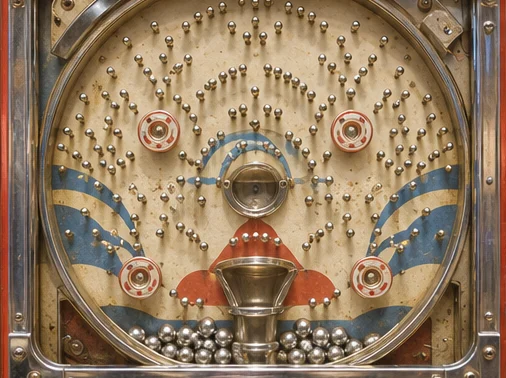
Pachinko is a mechanical and electronic amusement game involving small metal balls. Players purchase balls and use a machine to launch them into a vertical playfield. Depending on where the balls land, the machine may award more balls or trigger animated sequences.
Pachinko has evolved considerably over time. Modern machines often feature elaborate screens, lighting, music, and licensed entertainment themes.
Pachinko versus pachislot
Pachislot machines resemble reel-based slot machines more closely. Pachinko typically uses metal balls, while pachislot generally uses tokens or medals, although machine and venue systems vary.
Why is it culturally interesting?
Pachinko sits at the intersection of Japanese arcade aesthetics, mechanical game design, pop-culture licensing, and a distinctive regulatory framework. That makes it an interesting topic even for readers who never intend to play.
What happens to the prizes?
Japan’s pachinko industry operates within a specific legal and regulatory system. Players may exchange balls or medals for prizes under venue rules. Some prizes can subsequently be sold to separate buyers under arrangements often described as the three-shop system. This description is not legal advice, and rules and practices may change.
Is pachinko the same as a casino?
No. Pachinko parlors and casinos are not identical businesses, and Japan regulates them differently. The legal distinctions can be complex, so avoid assuming the same rules apply to both.
A note for visitors
This article is intended for adults and provides cultural information, not gambling advice. Pachinko involves financial risk. Check applicable age restrictions and venue rules; never assume that winning is likely or guaranteed.
Editorial note: This introductory article should be checked against current Japanese regulatory guidance before publication or substantive updates.
Related articles
First Time at a Pachinko Parlor? What to Ask Before You Sit Down
Know what to ask on your first pachinko parlor visit so you can tell whether you may look around and which seats are free.
Read article →Where to Find Bandai Gashapon Machines in the US
Find Bandai Gashapon near you in the US and decide whether to try a machine or shop for a specific figure.
Read article →First Time at a Japanese Game Center? How to Choose a Game
Choose a game you can enjoy on your first arcade visit by recognizing the machines and checking the cost before you play.
Read article →